September 4, 2026
Selecting a suitable roof cover for your home represents one of the most important decisions a property owner will make regarding structural protection, exterior beauty, and long-term property value. The overhead barrier shields living spaces from harsh weather elements while contributing significantly to overall curb appeal and thermal efficiency. Because regional weather patterns, building codes, and architectural styles vary widely across different areas, homeowners must weigh numerous physical factors before making a final commitment. Experienced local roofing contractors bring essential regional expertise to this decision, guiding property owners toward material choices that withstand local climate demands while remaining within practical budget expectations. Understanding the distinct attributes, performance profiles, and maintenance requirements of leading overhead options allows homeowners to invest with total confidence.
Evaluating Asphalt Shingles for Exceptional Versatility
Asphalt shingles remain a dominant selection among residential property owners due to their balance of affordability, aesthetic diversity, and straightforward installation procedures. Modern manufacturing techniques produce multi-layered architectural designs that mimic the dimensional appearance of natural slate or heavy timber at a lower cost. These versatile products come in an extensive spectrum of color palettes, allowing homeowners to match virtually any exterior color scheme or architectural tradition. Experienced local roofing contractors frequently recommend high-quality architectural shingles for families seeking dependable weather protection without exceeding standard financial parameters.
Beyond aesthetic flexibility, contemporary shingle systems feature advanced algae resistance, wind resistance, and reflective granule coatings that enhance overall thermal performance. Proper installation requires careful attention to underlayment layers, deck ventilation, and edge flashing to maximize operational service life. While asphalt products typically possess a shorter operational lifespan compared to heavy masonry or stone alternatives, routine maintenance keeps them functioning effectively over several decades. Property owners' appreciation for straightforward care and widespread material availability keeps asphalt products at the forefront of residential renovation projects.
Selecting Cedar Shake for Rustic Architectural Character
Cedar shake roofing offers an unmistakable natural charm that imparts warmth, depth, and organic elegance to traditional, coastal, and mountain style residences. Hand-split wood shakes feature varied grain textures and deep shadow lines that evolve gracefully over time, maturing into a distinguished silver gray patina. Beyond visual appeal, natural wood possesses inherent insulating properties that assist in regulating interior temperatures throughout shifting seasonal conditions. Knowledgeable local roofing contractors often suggest wood shakes for homeowners who prioritize authentic craftsmanship and distinctive natural aesthetics above low-maintenance requirements.
Maintaining wood shake installations requires dedicated care to protect natural fibers against moisture retention, fungal growth, and insect activity. Routine treatments with specialized preservatives, periodic washing, and clearing fallen forest debris ensure that wood shakes remain resilient against atmospheric decay. In areas prone to seasonal wildfires, property owners can opt for fire retardant treatments or synthetic wood alternatives that capture the traditional appearance while meeting modern fire safety codes. Investing in wood shakes provides a timeless, eco-friendly roofing solution for discerning property owners.
Installing Clay Tile for Enduring Thermal Efficiency
Clay tile represents a time-honored roofing solution celebrated for its distinctive barrel profile, rich terracotta color, and remarkable durability in warm, sun-drenched climates. Formed from natural earth and fired at high temperatures, clay tiles excel at reflecting solar radiation and creating natural air circulation channels beneath the surface layer. This natural thermal performance reduces heat transfer into living spaces, contributing to lowered cooling costs during hot summer months. Skilled local roofing contractors routinely recommend clay tile systems for Mediterranean, Spanish colonial, and southwestern architectural designs where historical authenticity and energy performance are paramount.
The exceptional lifespan of clay tiles comes accompanied by substantial structural weight, requiring specialized framing considerations before installation commences. Building structures must possess adequate load-bearing strength to support heavy masonry materials safely over extended periods. Although initial material and installation expenses exceed those of conventional choices, clay tiles resist fire, rot, insect intrusion, and salt air corrosion with ease. When installed over high-quality underlayment by experienced trade specialists, a clay tile system offers enduring beauty that lasts across generations with minimal structural degradation.
Choosing Metal Systems for Superior Weather Resistance
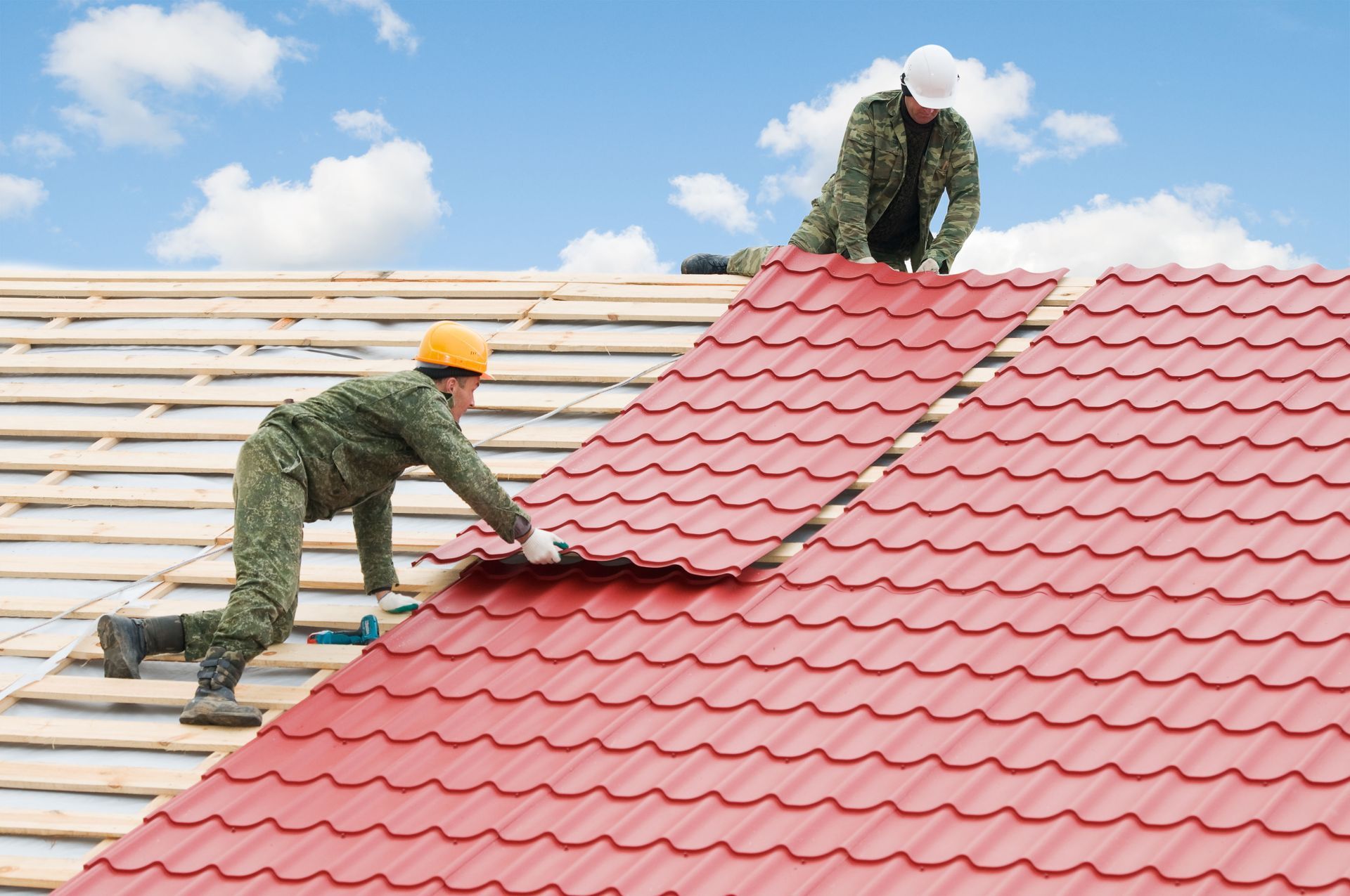
Metal roofing systems have earned a reputation as one of the most durable, energy-efficient, and weather-resistant options available for modern residential properties. According to Metal Construction News, steel is the dominant material used in residential metal roofing, accounting for about 82% of the market. Interlocking metal panels and standing seam designs offer exceptional defense against wind-driven rain, heavy snow accumulation, hail impact, and wind uplift. Additionally, reflective factory finishes bounce solar radiant heat away from the structure, significantly reducing cooling loads and lowering energy expenses throughout warm summer seasons.
The longevity and sustainability of metal panels make them an increasingly attractive choice for environmentally conscious homeowners. Modern metal systems are frequently manufactured from recycled materials and remain fully recyclable at the end of their long operational lifespan. Although upfront investment costs are higher than standard asphalt alternatives, the minimal maintenance requirements and extended operational durability deliver outstanding long-term financial value. Consulting with qualified local roofing contractors ensures that metal panel seam orientation and fastener systems are selected correctly to handle specific regional climate challenges.
Investing in Slate for Unmatched Natural Longevity
Natural slate is widely recognized as the gold standard of luxury roofing materials, renowned for its extraordinary durability, natural elegance, and historical prestige. Quarried from natural stone deposits, slate tiles feature unique mineral color variations ranging from deep charcoal to sea green and mottled gray. Because slate is a non-porous natural stone, it absorbs virtually no water, rendering it completely immune to freeze-thaw cycles, mold infestation, rot, and fire hazard. Seasoned local roofing contractors view natural slate as a true lifetime investment capable of protecting a home for over a century when properly maintained.
Installing natural slate requires specialized stonemasonry skills, specialized tools, and meticulous structural preparation due to the sheer density and weight of the stone tiles. Roof framing must be rigorously evaluated and reinforced if necessary to bear the immense structural load over long periods. While initial capital expenditure is higher than virtually all other residential options, natural slate requires remarkably little ongoing maintenance and elevates property value significantly. Homeowners seeking absolute permanence, timeless grandeur, and zero compromise on quality find natural slate to be the ultimate roofing choice.
Consulting Professional Specialists for Guidance and Care
Selecting the optimal overhead material involves carefully balancing personal aesthetic preferences, long-term financial goals, structural considerations, and local climate realities. Each material option offers distinct advantages, from the budget-friendly flexibility of asphalt shingles to the enduring permanence of natural slate or clay tile. Attempting to navigate material specifications, manufacturer warranties, and local building code requirements without professional guidance can lead to costly mistakes. Engaging experienced trade professionals early in the planning process guarantees that every technical detail is evaluated thoroughly before installation begins.
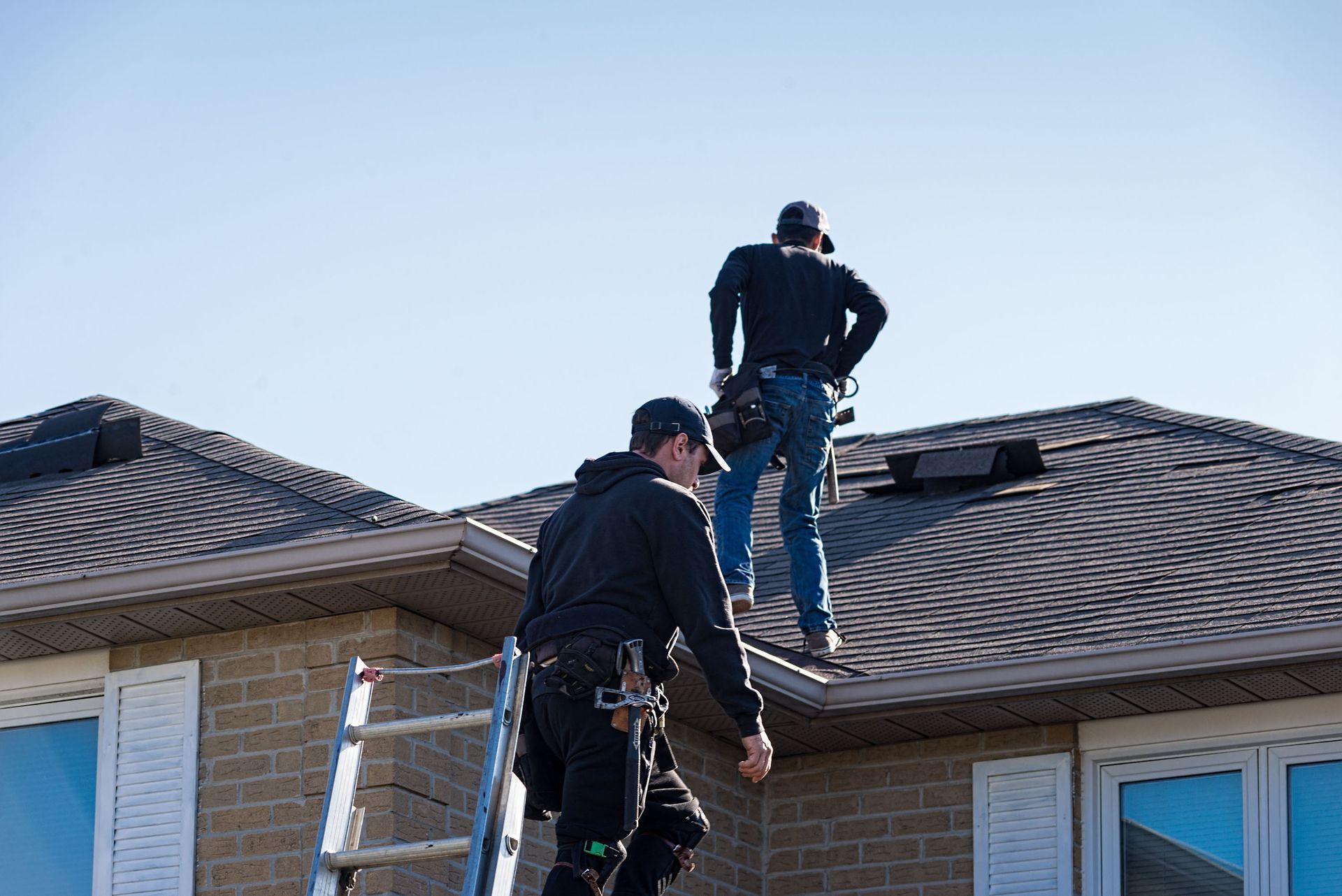
Professional trade specialists provide comprehensive roof evaluations, accurate load assessments, and honest material recommendations tailored to your specific geographic location and home design. Working with established local roofing contractors ensures that installation procedures follow manufacturer specifications precisely, preserving warranty coverage and maximizing system performance. Partnering with dedicated industry specialists yields seamless project execution and provides lasting structural protection that safeguards your family and financial investment.
Selecting a new roof cover is a major home improvement project that requires careful evaluation of durability, appearance, maintenance demands, and overall financial value. Whether you prefer the versatile appeal of asphalt shingles, the rustic warmth of cedar shake, the Mediterranean charm of clay tile, the modern resilience of metal, or the timeless prestige of natural slate, professional guidance is essential for achieving optimal results. Expert trade contractors evaluate structural framing, local weather conditions, and architectural styles to deliver a long-lasting installation that elevates curb appeal and preserves structural integrity. To discover the perfect roofing system for your residence and schedule a comprehensive consultation, contact KCS Roofing.